
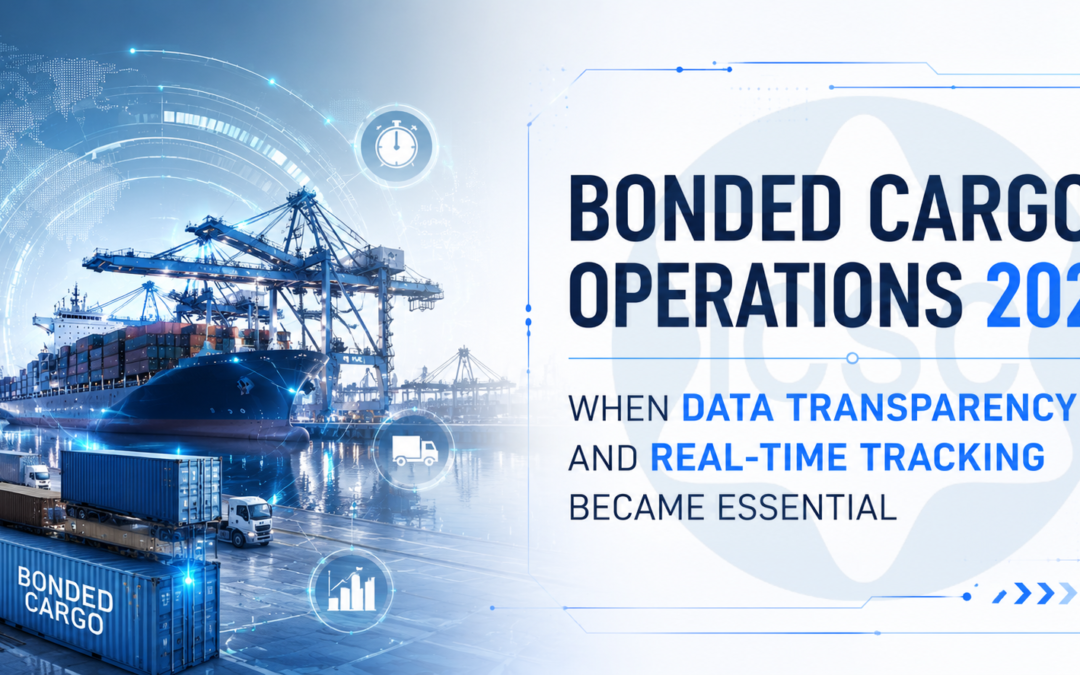
By 2024, bonded warehouse and bonded port operations were undergoing a major digital transformation.
For many years, logistics operations relied heavily on manual paperwork, fragmented workflows, and disconnected operational systems. As cargo volumes increased and international trade became more complex, traditional operating models began struggling to keep up with modern supply chain demands.
Common operational challenges included:
- manual documentation processes,
- duplicated data entry across departments,
- delayed inventory synchronization,
- limited cargo traceability,
- disconnected finance and operational systems,
- and slow coordination between ports, warehouses, and customs authorities.
As a result, logistics operators began prioritizing:
- real-time inventory visibility,
- cargo and container traceability,
- operational transparency,
- faster customs coordination,
- and synchronized enterprise-wide logistics data.
To address these challenges, modern bonded logistics platforms started integrating:
- Gate Operation Systems,
- Inventory Management Systems,
- ERP and Billing Platforms,
- eInvoice Systems,
- QR Gate Pass technology,
- OCR Camera Systems,
- RFID infrastructure,
- operational dashboards,
- and centralized logistics monitoring tools.
The objective was no longer simply digitizing paperwork.
The real goal became building a fully connected logistics ecosystem where operational data flows seamlessly between:
- bonded warehouses,
- port terminals,
- logistics operators,
- finance departments,
- customs systems,
- and enterprise management platforms.
ICSC develops smart bonded logistics solutions designed to support this transformation through:
- real-time inventory management,
- cargo and container tracking,
- ERP and financial integration,
- customs connectivity,
- logistics operation dashboards,
- operational history monitoring,
- and enterprise-wide data synchronization.
These solutions help businesses:
- reduce operational inconsistencies,
- improve audit and compliance capabilities,
- accelerate cargo processing workflows,
- enhance logistics transparency,
- optimize operational decision-making,
- and improve scalability for future cargo growth.
As global logistics networks continue evolving, digital infrastructure is rapidly becoming a foundational requirement for bonded warehouse and bonded port operations — not simply a competitive advantage.
Organizations that modernize their logistics operations today will be significantly better positioned to achieve:
- faster operational execution,
- stronger regulatory compliance,
- improved cargo visibility,
- greater operational resilience,
- and long-term scalability in increasingly data-driven supply chain environments.