

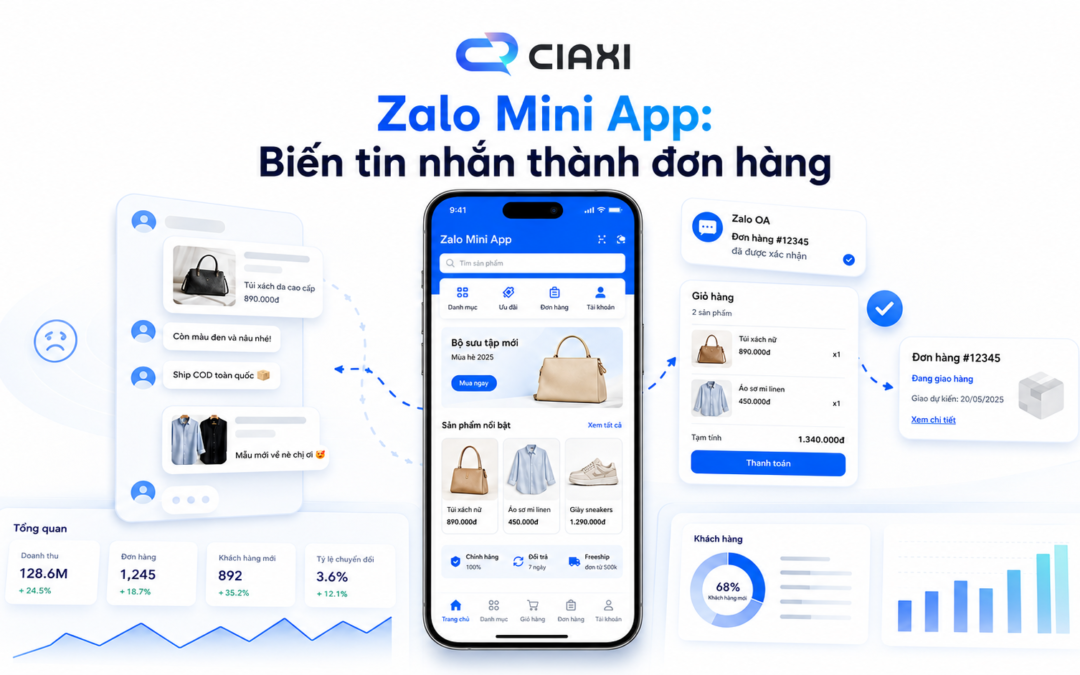
Bán hàng trên Zalo không phải là vấn đề. Vấn đề là bán hàng chỉ bằng tin nhắn
Một khách hàng nhắn vào Zalo Official Account của shop và hỏi: “Cho em xem các mẫu áo sơ mi nữ đang có.” Nhân viên bắt đầu gửi từng hình ảnh, kèm theo giá, màu sắc và size. Khách hàng phải cuộn lên, cuộn xuống để so sánh; phải tự ghi nhớ mẫu nào còn size; thậm chí phải chụp màn hình để tránh nhầm sản phẩm. Khi đã chọn được một mẫu, khách tiếp tục cung cấp tên, số điện thoại, địa chỉ nhận hàng và phương thức thanh toán, dù trước đó họ có thể đã mua nhiều lần tại shop.
Toàn bộ quá trình này không hẳn là một trải nghiệm mua sắm. Đó là một chuỗi trao đổi thủ công được ghép lại để tạo thành đơn hàng. Với một khách hàng kiên nhẫn, shop vẫn có thể chốt đơn. Nhưng với nhiều người dùng đã quen với thao tác tìm kiếm, thêm giỏ hàng và thanh toán trong vài phút, mỗi tin nhắn phát sinh thêm đều có thể trở thành một lý do để họ rời đi.
Zalo vẫn là một kênh gần gũi với người tiêu dùng Việt Nam và đặc biệt hiệu quả trong việc bắt đầu cuộc trò chuyện. Tuy nhiên, khung chat vốn được thiết kế để trao đổi thông tin, không phải để trình bày một danh mục hàng trăm sản phẩm, quản lý biến thể, tạo giỏ hàng, xác nhận thanh toán và theo dõi lịch sử mua sắm. Khi doanh nghiệp cố biến cuộc trò chuyện thành toàn bộ cửa hàng, giới hạn của tin nhắn sẽ sớm trở thành giới hạn tăng trưởng của kênh bán hàng.
Khi khung chat trở thành một “cửa hàng bất đắc dĩ”
Ở quy mô nhỏ, nhân viên có thể nhớ khách quen, biết sản phẩm nào còn hàng và tự kiểm tra từng giao dịch chuyển khoản. Nhưng khi số lượng sản phẩm, khách hàng và chiến dịch quảng cáo tăng lên, cách vận hành này bắt đầu bộc lộ nhiều điểm nghẽn. Mỗi khách hàng cần nhiều lượt hỏi đáp; mỗi đơn hàng phải được nhập lại; mỗi biến thể màu sắc, kích thước hay chương trình khuyến mãi đều phải giải thích thủ công.
Điểm đáng lo không chỉ là thời gian xử lý lâu hơn. Doanh nghiệp còn khó kiểm soát tính nhất quán của thông tin. Cùng một câu hỏi về giá, chính sách đổi trả hoặc tình trạng tồn kho có thể nhận được những câu trả lời khác nhau tùy nhân viên và thời điểm. Khi lượng tin nhắn tăng đột biến, những khách hàng có nhu cầu rõ ràng vẫn phải chờ, trong khi đội ngũ tư vấn dành phần lớn thời gian cho các thao tác lặp lại thay vì tập trung vào những trường hợp thực sự cần tư vấn sâu.
Một chiến dịch marketing hiệu quả có thể đưa rất nhiều người dùng vào Zalo OA, nhưng doanh thu chỉ xuất hiện khi sự quan tâm được chuyển thành đơn hàng. Nếu bước cuối cùng vẫn phụ thuộc vào hàng loạt tin nhắn thủ công, doanh nghiệp đang tạo ra một chiếc phễu có đầu vào lớn nhưng phần đáy quá hẹp. Khách hàng không rời đi vì sản phẩm kém hấp dẫn; họ rời đi vì con đường mua hàng chưa đủ ngắn và thuận tiện.
Những điểm rò rỉ doanh thu thường bị bỏ qua khi bán hàng qua chat
Rò rỉ đầu tiên xuất hiện ở khâu khám phá sản phẩm. Tin nhắn rời rạc không thể thay thế một danh mục được phân nhóm rõ ràng, có hình ảnh đồng nhất, bộ lọc theo giá, màu sắc, kích thước hoặc nhu cầu. Khách hàng chỉ nhìn thấy những sản phẩm mà nhân viên kịp gửi, trong khi phần còn lại của danh mục gần như không có cơ hội được khám phá.
Rò rỉ thứ hai nằm ở giỏ hàng. Khi không có không gian để khách tự thêm nhiều sản phẩm, kiểm tra tổng tiền và điều chỉnh số lượng, việc bán kèm hoặc bán theo bộ trở nên khó khăn hơn. Một khách hàng ban đầu có thể quan tâm đến cả áo, quần và phụ kiện, nhưng sau nhiều lượt hỏi đáp, họ thường chỉ chốt món ưu tiên nhất để kết thúc cuộc trò chuyện nhanh hơn.
Rò rỉ tiếp theo xuất hiện tại bước thanh toán và xác nhận. Khách phải chuyển sang ứng dụng ngân hàng, nhập thông tin, quay lại Zalo gửi ảnh giao dịch và chờ nhân viên kiểm tra. Mỗi lần chuyển đổi ứng dụng, mỗi lần phải nhập lại dữ liệu hay chờ xác nhận đều làm tăng ma sát. Với những đơn hàng có giá trị không quá lớn, chỉ một bất tiện nhỏ cũng có thể khiến quyết định mua bị trì hoãn.
Sau bán hàng, doanh nghiệp tiếp tục gặp khó khăn khi khách muốn xem lại đơn cũ, kiểm tra trạng thái giao hàng, tích điểm hoặc mua lại sản phẩm quen thuộc. Nếu mọi thông tin nằm rải rác trong lịch sử chat, cả khách hàng và nhân viên đều phải mất thời gian tìm kiếm. Quan trọng hơn, doanh nghiệp gần như không có một dòng dữ liệu có cấu trúc để hiểu khách hàng nào đang quay lại, sản phẩm nào thường được mua cùng nhau hoặc chiến dịch nào thực sự tạo ra đơn hàng.
Zalo Mini App: Từ cuộc trò chuyện đến một cửa hàng trực tuyến ngay trong Zalo
Zalo Mini App giải quyết khoảng trống giữa “khách hàng đang trò chuyện” và “khách hàng đã hoàn tất đơn hàng”. Đây là một ứng dụng gọn nhẹ hoạt động ngay trong hệ sinh thái Zalo. Người dùng có thể mở từ Zalo OA, tin nhắn, mã QR hoặc một điểm chạm truyền thông phù hợp mà không cần tải thêm ứng dụng riêng từ kho ứng dụng.
Thay vì nhận từng hình ảnh rời rạc, khách hàng bước vào một giao diện được tổ chức như một cửa hàng trực tuyến: có trang chủ, danh mục, trang chi tiết, lựa chọn biến thể, giỏ hàng và quy trình đặt hàng. Những người đã biết mình muốn mua gì có thể tự thao tác ngay. Những người còn cần tư vấn vẫn có thể quay lại cuộc trò chuyện với nhân viên hoặc AI Chatbot. Hai trải nghiệm này không loại trừ nhau mà bổ trợ cho nhau.
Giá trị quan trọng nhất của Mini App không nằm ở việc “đưa một website vào Zalo”. Một đường dẫn dẫn khách ra trình duyệt ngoài vẫn tạo thêm bước chuyển đổi và dễ làm gián đoạn hành trình. Mini App được thiết kế để kết nối trực tiếp với tài khoản Zalo, Zalo OA, thông báo, dữ liệu khách hàng và các hệ thống vận hành phía sau. Nhờ đó, kênh trò chuyện, kênh mua hàng và kênh chăm sóc sau bán có thể nằm trong cùng một hành trình thống nhất.
Một hành trình mua hàng liền mạch thay cho hàng chục tin nhắn qua lại
Hành trình có thể bắt đầu từ một nội dung quảng cáo, một bài đăng trên Zalo OA hoặc một cuộc trò chuyện với nhân viên. Khi khách hàng bấm mở Mini App, họ được đưa thẳng đến trang sản phẩm, chương trình khuyến mãi hoặc danh mục liên quan thay vì phải tìm lại từ đầu. Giao diện hiển thị đồng nhất về hình ảnh, giá, tồn kho, biến thể và chính sách giúp khách có đủ thông tin để đưa ra quyết định.
Sau khi lựa chọn, khách hàng thêm sản phẩm vào giỏ, kiểm tra tổng giá trị, áp dụng ưu đãi nếu có và nhập thông tin nhận hàng. Dữ liệu đã được khách đồng ý cung cấp có thể được ghi nhận để những lần mua sau diễn ra nhanh hơn. Tùy phạm vi tích hợp, doanh nghiệp có thể kết nối phương thức thanh toán trực tuyến, quy trình xác nhận đơn và thông báo trạng thái đơn hàng ngay trong Zalo.
Sau khi đơn được tạo, thông tin không còn dừng lại ở một đoạn chat. Đơn hàng có thể được chuyển về hệ thống quản lý bán hàng, CRM, ERP hoặc nền tảng vận hành hiện có để xử lý tồn kho, giao hàng, thanh toán và chăm sóc khách hàng. Nhân viên vẫn theo dõi được toàn bộ quá trình, nhưng không cần nhập lại từng chi tiết mà khách đã tự hoàn tất trên giao diện.
Các nhóm tính năng cốt lõi có thể được thiết kế theo mô hình kinh doanh
Một Zalo Mini App hiệu quả không nên là một mẫu giao diện cứng áp dụng cho mọi doanh nghiệp. Thời trang cần quản lý size và màu sắc; mỹ phẩm cần nội dung thành phần, công dụng và hướng dẫn sử dụng; thực phẩm cần thông tin quy cách, hạn dùng hoặc điều kiện bảo quản; dịch vụ cần chức năng chọn ngày giờ, chi nhánh hoặc nhân sự phục vụ. Vì vậy, cấu trúc ứng dụng cần được thiết kế theo đúng hành trình mua hàng của từng ngành.
• Danh mục sản phẩm hoặc dịch vụ được tổ chức theo nhóm, có tìm kiếm, bộ lọc và trang chi tiết rõ ràng.
• Quản lý biến thể như size, màu sắc, dung tích, combo, chi nhánh hoặc khung giờ cung cấp dịch vụ.
• Giỏ hàng, mã ưu đãi, phí vận chuyển, thông tin nhận hàng và quy trình đặt hàng tự phục vụ.
• Tích hợp thanh toán trực tuyến, đối soát và xác nhận đơn theo phạm vi triển khai.
• Tài khoản khách hàng, lịch sử đơn hàng, trạng thái xử lý, mua lại và thông tin bảo hành hoặc đổi trả.
• Tích điểm, hạng thành viên, voucher, ưu đãi cá nhân và chương trình khách hàng thân thiết.
• Thông báo từ Zalo OA và đường dẫn mở thẳng đến đúng sản phẩm, chiến dịch hoặc đơn hàng liên quan.
• Kết nối CRM, ERP, POS, kho, giao vận hoặc hệ thống nội bộ để đồng bộ dữ liệu và giảm nhập liệu thủ công.
• Dashboard theo dõi đơn hàng, doanh thu, tỷ lệ chuyển đổi, giá trị giỏ hàng và hành vi mua sắm.
Không chỉ là giao diện: Dữ liệu khách hàng được ghi nhận thành một hành trình
Khi bán hàng thuần túy qua tin nhắn, dữ liệu thường tồn tại dưới dạng hội thoại khó phân tích. Mini App chuyển các thao tác quan trọng thành dữ liệu có cấu trúc: khách đã xem danh mục nào, thêm sản phẩm nào vào giỏ, hoàn tất đơn hàng nào, quay lại sau chiến dịch nào và thường mua theo chu kỳ ra sao. Đây là nền tảng để doanh nghiệp hiểu hành vi khách hàng thay vì chỉ đếm số lượng tin nhắn đến.
Ở lần mua tiếp theo, khách hàng có thể nhìn thấy lịch sử đơn hàng, sản phẩm từng mua hoặc ưu đãi phù hợp. Với các mô hình có tần suất mua lại cao, hệ thống có thể hỗ trợ nhắc mua lại đúng thời điểm. Với khách hàng thân thiết, điểm tích lũy và quyền lợi thành viên được hiển thị rõ ràng, giúp giá trị của chương trình loyalty trở nên cụ thể hơn thay vì chỉ tồn tại trong một bảng dữ liệu nội bộ.
Khi được kết nối với CRM hoặc ERP, dữ liệu từ Mini App có thể hỗ trợ cả hoạt động marketing lẫn vận hành: phân nhóm khách hàng, đánh giá hiệu quả chiến dịch, dự báo nhu cầu, chuẩn bị tồn kho và chăm sóc sau bán. AI có thể được bổ sung ở giai đoạn phù hợp để gợi ý sản phẩm, hỗ trợ tìm kiếm hoặc cá nhân hóa nội dung, nhưng điều kiện tiên quyết vẫn là dữ liệu phải được thu thập đúng, đồng bộ và có cấu trúc.
Zalo OA, Mini App và AI Chatbot: Ba lớp trải nghiệm bổ trợ cho nhau
Doanh nghiệp không cần lựa chọn giữa tư vấn qua chat và mua hàng tự phục vụ. Một mô hình hiệu quả thường kết hợp ba lớp trải nghiệm. Zalo OA đóng vai trò kênh tiếp cận, chăm sóc và gửi thông báo. AI Chatbot hoặc nhân viên tư vấn xử lý câu hỏi, gợi ý lựa chọn và giải đáp những tình huống cần hội thoại. Zalo Mini App cung cấp không gian để khách hàng tự xem, chọn, đặt và theo dõi đơn hàng.
Khi ba lớp này được kết nối, khách hàng có thể hỏi “Sản phẩm nào phù hợp với nhu cầu của tôi?”, nhận gợi ý từ chatbot, mở thẳng trang chi tiết trong Mini App, thêm vào giỏ và thanh toán. Sau đó, Zalo OA gửi thông báo xác nhận hoặc nhắc lại khi có chương trình phù hợp. Hành trình không bị đứt đoạn giữa tư vấn, giao dịch và chăm sóc sau bán.
Sự kết hợp này cũng giúp đội ngũ bán hàng tập trung đúng chỗ. Các câu hỏi lặp lại và thao tác tiêu chuẩn được hệ thống hỗ trợ; nhân viên dành nhiều thời gian hơn cho khách hàng có nhu cầu phức tạp, đơn hàng giá trị cao hoặc tình huống cần sự thấu hiểu của con người. Công nghệ không thay thế sự tận tình, mà loại bỏ những bước thủ công đang khiến sự tận tình bị tiêu hao vào công việc lặp lại.
Doanh nghiệp nên đo lường điều gì sau khi triển khai?
Hiệu quả của Zalo Mini App không nên được đánh giá chỉ bằng số lượt mở ứng dụng. Điều quan trọng là Mini App có rút ngắn được hành trình mua hàng và tạo ra kết quả kinh doanh tốt hơn hay không. Doanh nghiệp cần so sánh tỷ lệ từ người dùng mở ứng dụng đến khi hoàn tất đơn hàng, thời gian trung bình để đặt hàng, tỷ lệ bỏ giỏ, giá trị giỏ hàng trung bình và tỷ lệ khách quay lại mua lần tiếp theo.
Bên cạnh đó, các chiến dịch từ Zalo OA cần được theo dõi tới kết quả cuối cùng: bao nhiêu người mở thông báo, bao nhiêu người vào Mini App, sản phẩm nào được xem và bao nhiêu đơn hàng được tạo. Khi dữ liệu được kết nối với hệ thống bán hàng, doanh nghiệp có thể nhìn thấy đầy đủ hơn hiệu quả của từng chiến dịch thay vì chỉ dừng ở lượt gửi hoặc lượt tương tác.
Đối với vận hành, những chỉ số như số lượng thao tác nhập liệu được cắt giảm, thời gian xác nhận đơn, tỷ lệ sai thông tin khách hàng và khối lượng cuộc trò chuyện mà mỗi nhân viên có thể xử lý cũng rất quan trọng. Một Mini App tốt không chỉ tăng doanh thu; nó còn giúp doanh nghiệp phục vụ nhiều khách hàng hơn mà không phải tăng tương ứng số lượng nhân sự tư vấn.
Mô hình nào phù hợp để triển khai Zalo Mini App?
Giải pháp đặc biệt phù hợp với doanh nghiệp đã có lượng khách hàng tương tác thường xuyên trên Zalo nhưng quy trình đặt hàng vẫn phụ thuộc nhiều vào tin nhắn. Các shop thời trang, mỹ phẩm, thực phẩm, đồ gia dụng, quà tặng, chuỗi bán lẻ hoặc doanh nghiệp phân phối có thể dùng Mini App để chuẩn hóa danh mục, đơn hàng và chương trình thành viên.
Không chỉ bán lẻ, những mô hình dịch vụ như nhà hàng, spa, phòng khám, giáo dục, du lịch hoặc cho thuê cũng có thể xây dựng hành trình riêng: đặt bàn, đặt lịch, đăng ký dịch vụ, chọn chi nhánh, thanh toán đặt cọc, quản lý voucher hoặc theo dõi quyền lợi thành viên. Điểm chung không nằm ở ngành nghề, mà ở nhu cầu đưa khách hàng từ một cuộc trò chuyện đến một giao dịch có cấu trúc, nhanh và dễ theo dõi.
Doanh nghiệp chưa có hệ thống vận hành hoàn chỉnh vẫn có thể bắt đầu với phạm vi nhỏ. Ngược lại, doanh nghiệp đã sử dụng CRM, ERP, POS hoặc phần mềm quản lý kho nên ưu tiên khả năng tích hợp ngay từ thiết kế ban đầu, tránh tạo thêm một kênh bán hàng tách rời và tiếp tục phải nhập liệu thủ công giữa các hệ thống.
Lộ trình triển khai theo từng giai đoạn để tạo hiệu quả sớm
Giai đoạn đầu nên tập trung vào vấn đề cấp bách nhất: đưa danh mục sản phẩm hoặc dịch vụ lên một giao diện rõ ràng, xây dựng giỏ hàng và quy trình đặt đơn. Đây là bước giúp doanh nghiệp nhanh chóng thay thế việc gửi ảnh rời rạc và chốt đơn bằng tin nhắn.
Ở giai đoạn tiếp theo, doanh nghiệp có thể tích hợp thanh toán, thông báo tự động, đồng bộ tồn kho hoặc kết nối hệ thống quản lý đơn hàng. Khi nền tảng dữ liệu đã ổn định, các chức năng khách hàng thân thiết, voucher, tích điểm, mua lại và chăm sóc theo chu kỳ được bổ sung để tăng tỷ lệ quay lại.
Giai đoạn nâng cao có thể mở rộng sang dashboard phân tích, phân nhóm khách hàng, cá nhân hóa nội dung hoặc AI hỗ trợ tư vấn. Triển khai theo lộ trình giúp doanh nghiệp kiểm chứng giá trị từ sớm, điều chỉnh dựa trên hành vi thực tế của người dùng và phân bổ ngân sách theo mức độ ưu tiên thay vì xây dựng quá nhiều tính năng ngay từ đầu.
ICSC xây dựng Zalo Mini App theo đúng hành trình vận hành của doanh nghiệp
ICSC tiếp cận Zalo Mini App không chỉ như một dự án thiết kế giao diện, mà như một bài toán kết nối giữa trải nghiệm khách hàng và hệ thống vận hành phía sau. Quá trình triển khai bắt đầu từ việc khảo sát mô hình kinh doanh, cách khách hàng đang mua, dữ liệu đang nằm ở đâu và những điểm nào đang khiến nhân viên phải thao tác thủ công.
Từ đó, đội ngũ đề xuất cấu trúc tính năng, luồng người dùng, giao diện theo nhận diện thương hiệu và phương án tích hợp phù hợp với CRM, ERP, POS, kho, thanh toán hoặc các hệ thống hiện có. Giải pháp có thể được triển khai theo từng giai đoạn, ưu tiên những chức năng tạo tác động sớm và vẫn bảo đảm khả năng mở rộng về sau.
Mục tiêu cuối cùng không phải là tạo thêm một ứng dụng để doanh nghiệp phải quản lý. Mục tiêu là biến Zalo — nơi khách hàng đã quen giao tiếp — thành một điểm bán hàng và chăm sóc khách hàng có cấu trúc, đồng thời đưa dữ liệu về cùng hệ thống để doanh nghiệp vận hành hiệu quả hơn.
Biến sự quan tâm thành đơn hàng trước khi khách hàng mất kiên nhẫn
Khách hàng đã nhắn tin hỏi sản phẩm thường không còn ở giai đoạn nhận biết. Họ đang ở rất gần quyết định mua. Điều doanh nghiệp cần làm là loại bỏ những bước không cần thiết giữa ý định và giao dịch: không bắt khách xem ảnh rời rạc, không yêu cầu nhập lại dữ liệu đã có, không buộc họ chờ nhân viên cho những thao tác có thể tự hoàn tất.
Zalo Mini App không thay thế hoàn toàn cuộc trò chuyện. Nó tạo thêm một con đường nhanh hơn cho những khách hàng đã sẵn sàng mua, đồng thời giúp nhân viên giữ sự tập trung cho những người thực sự cần tư vấn. Khi danh mục, giỏ hàng, thanh toán, lịch sử mua và chăm sóc lại được nối thành một hành trình, Zalo không còn chỉ là nơi nhận tin nhắn hỏi hàng mà trở thành một kênh bán hàng có thể đo lường và mở rộng.
Nếu doanh nghiệp đang có lượng khách hàng lớn trên Zalo nhưng tỷ lệ chuyển đổi vẫn phụ thuộc vào khả năng trả lời thủ công của đội ngũ, đây là thời điểm phù hợp để thiết kế lại hành trình. ICSC sẵn sàng đồng hành từ khâu khảo sát, xây dựng trải nghiệm, phát triển Mini App đến tích hợp hệ thống, giúp mỗi cuộc trò chuyện có cơ hội trở thành một đơn hàng hoàn chỉnh và một mối quan hệ khách hàng lâu dài.
Hãy liên hệ với đội ngũ tư vấn giải pháp của ICSC.
Email: info@icsc.vn
Tel: +84 28 37 15 07 81