

Home / Solutions / IoT & AI Solutions for Container Logistics Monitoring
IoT & AI Solutions for Logistics
Containers Leave the Warehouse. Your Cargo Remains Under Control.
Monitor shipping conditions remotely, proactively detect anomalies, and manage container data on a single platform.
Combining IoT sensors, a data management platform, and AI to monitor temperature, humidity, location, vibration, and door status—from the origin warehouse to the delivery destination. Alerts are delivered subject to connectivity.
// SOLUTION VALUE
Don’t Just Know Where Your Container Is. Know the Conditions Your Cargo Is In.
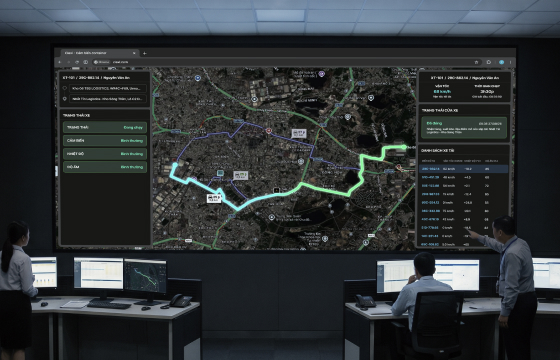
Once a container leaves the warehouse, businesses often cannot directly observe conditions inside it. ICSC bridges this information gap through sensor data and a centralized monitoring platform.
Remote Monitoring
Proactively monitor container location and environmental conditions in real time, depending on the devices and network connection.
Anomaly Detection

Automatically detect temperature, humidity, vibration, and door-status changes that exceed configured thresholds.
Proactive Response
Automatically issue timely alerts so responsible personnel can assess situations and coordinate a response.
Data Transparency

// CENTRALIZED MONITORING DASHBOARD
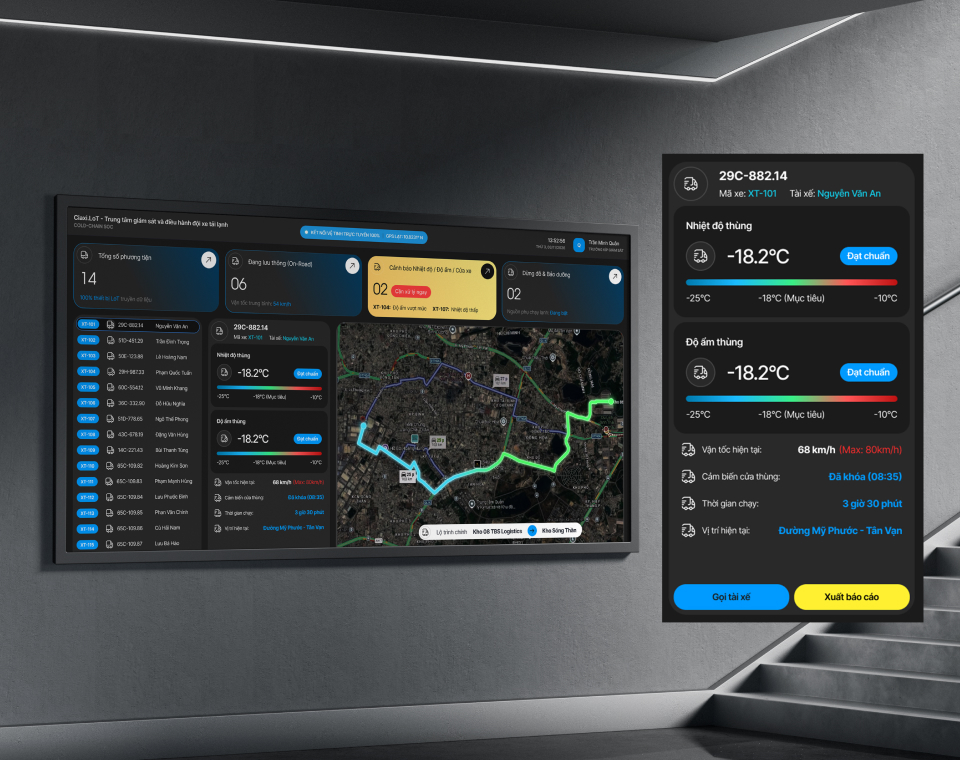
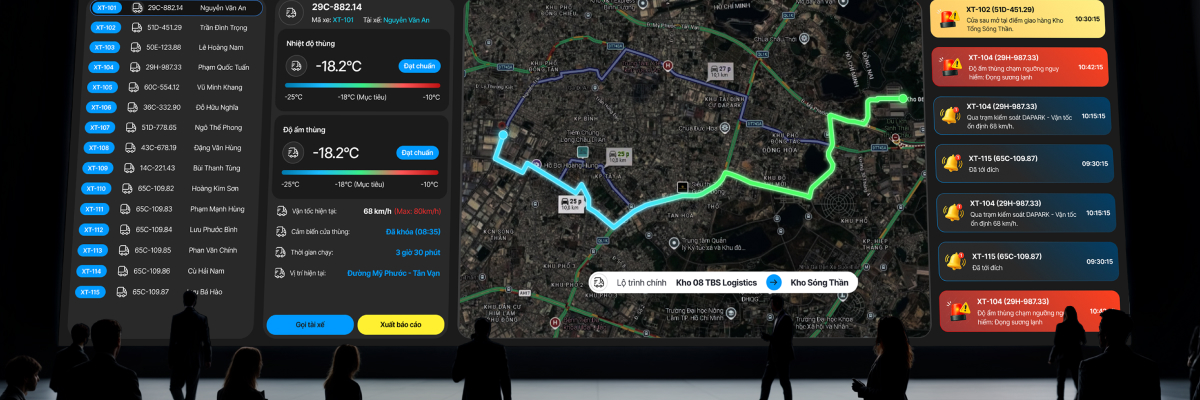
One Dashboard. A Complete View of the Container Journey.
View information and sensor readings on one platform instead of compiling them from multiple separate sources.
Turn fragmented data into centralized visibility—quickly identify containers that need attention.
// SMART ALERTS & ANALYSIS
Detect Anomalies Before They Become Major Problems
Set monitoring thresholds appropriate to each cargo type. When readings exceed configured criteria, the system helps generate alerts for responsible personnel to review and respond.

Temperature Out of Range
Above or below the permitted range.

Abnormal Humidity
Outside the specified monitoring criteria.

Impact and Excessive Vibration
Events exceeding thresholds, subject to sensor capabilities.

Unscheduled Door Opening
Door-opening events that require verification.
AI-Assisted Data Analysis
Beyond threshold-based alerts, AI applications may be explored to identify unusual trends, analyze historical data, and support transport risk assessment. The scope of analysis and forecasting will be determined after evaluating available data and actual requirements.
// END-TO-END JOURNEY MONITORING
From the Origin Warehouse to the Delivery Destination

-

Origin Warehouse
-
Container Yard
-
Port of Departure
-
Ocean Vessel
-
Port of Arrival
-
Receiving Warehouse
With devices that support local storage, data continues to be recorded and is synchronized when connectivity is restored.
Record Data While Offline
Sensor data is transmitted to the platform according to the configured frequency and connectivity method.
Monitor While Connected

Review historical data, unusual events, and key points requiring verification.
Review After Delivery
Note: Real-time monitoring at sea depends on the devices, communication networks, and connectivity infrastructure deployed.
// HOW DOES THE SYSTEM WORK?
Connecting Devices, Data, and Operations Teams

Automatically summarize pull requests / Detect issues early and support faster merge decisions
Install Sensors

Automatically summarize pull requests / Detect issues early and support faster merge decisions
Collect Data

Generate unit and integration tests with an AI assistant. Identify untested logic.
Transmit and Synchronize
Automatically summarize pull requests / Detect issues early and support faster merge decisions
Analyze and Alert

Automatically summarize pull requests / Detect issues early and support faster merge decisions
Monitor and Respond
Generate unit and integration tests with an AI assistant. Identify untested logic.
Store Data and Report
// VALUE OF POST-SHIPMENT DATA
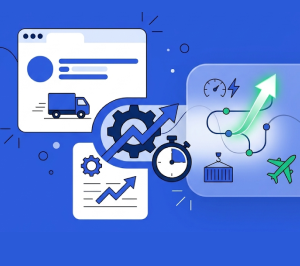
Every Journey Leaves Valuable Data
Sensor data supports not only in-transit monitoring but also post-shipment review and improvement.
Access Historical Records
Review recorded changes in temperature, humidity, and other measurements.

Improve Logistics Processes
Review recorded changes in temperature, humidity, and other measurements.
Review and Verify Unusual Events
Review recorded changes in temperature, humidity, and other measurements.

Support Complaint Resolution
Review recorded changes in temperature, humidity, and other measurements.

Data does more than enable monitoring—it also helps improve transportation quality.
// APPLICATIONS BY CARGO CATEGORY
Every Cargo Type Has Unique Storage Requirements

Monitor according to cargo characteristics rather than applying the same configuration to every shipment.
Agricultural Products & Food

Monitor temperature and humidity to help control storage conditions.
Pharmaceuticals & Temperature-Sensitive Goods

Record transport-condition history and compare it against relevant storage requirements.
Electronics & High-Value Goods

Monitor vibration, impacts, and door status according to the deployed devices.
Chemicals & Raw Materials

Select monitoring parameters appropriate to cargo characteristics and safety requirements.
Logistics Providers, Freight Forwarders & Cargo Owners
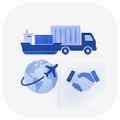
Centrally manage multiple containers and share information with partners.
// DEPLOYMENT & COSTS
Tailored to Each Cargo Type and Transport Route
ICSC recommends solutions based on cargo characteristics, the number of containers, required monitoring parameters, and connectivity conditions along each journey.
01
Assess Requirements
Cargo type, routes, risks, and number of containers
02
Select Devices
Sensors, power supply, and data transmission duration
03
Configure the System
Dashboard, accounts, access permissions, and alert thresholds